Short answer: herpes is manageable, but not curable — and what helps is medicine plus habits, not a powder
There is no cure for genital herpes. That is the CDC's plain statement, and it is the starting point for everything else. What actually helps between outbreaks is a short list: prescription antiviral medicine, recognising the warning signs before sores appear, avoiding sex while sores are present, and steady self-care around sleep, stress, and general health. No dietary supplement is approved to cure, prevent, or eliminate herpes.
How we wrote this: we have not hands-on tested TonicGreens or any other supplement mentioned here. Medical facts below come from the CDC and the American Sexual Health Association (ASHA). This article is general information only, not medical advice. If you have symptoms, talk to a clinician about diagnosis and treatment.
Affiliate disclosure: links in this article are affiliate links. If you buy through them, we may earn a commission at no extra cost to you.
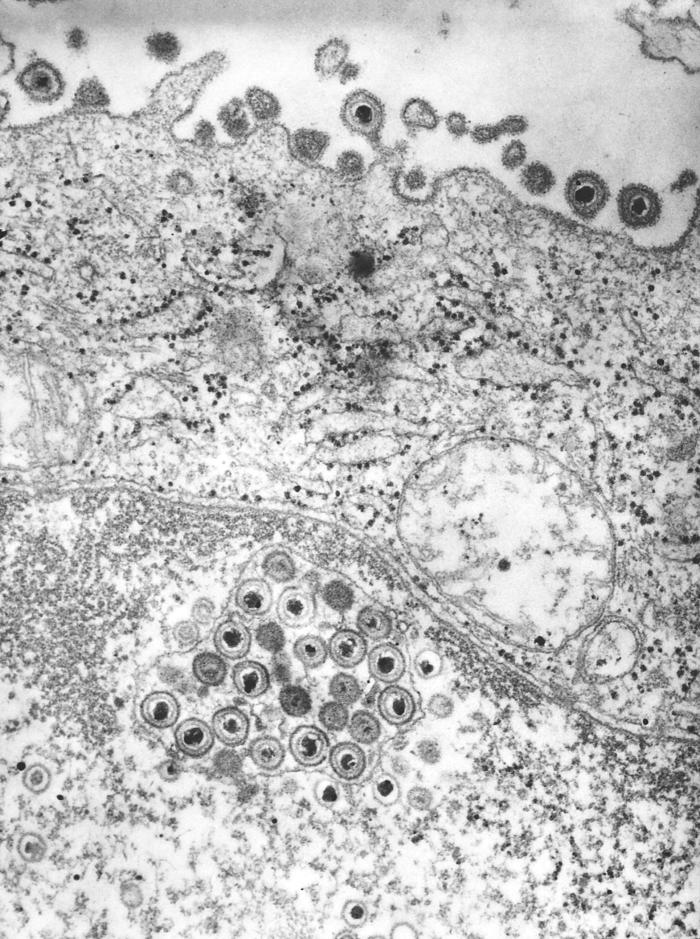
Cover image: CDC Public Health Image Library, PHIL ID 10260, public domain.
How often do outbreaks happen?
It varies a lot, and it usually gets better with time. ASHA reports the average for genital HSV-2 is four to five outbreaks a year, and for genital HSV-1 less than one a year. Outbreaks are usually most frequent in the first year, and many people find they become less severe and less frequent over time. The CDC adds that repeat outbreaks are usually shorter and less severe than the first, and that most people with genital herpes have no symptoms at all, or symptoms so mild they go unnoticed.
If you want to see the supplement discussed in this article first, here is the TonicGreens offer
How do you recognise an outbreak early?
Watch for the prodrome: itching, tingling, or pain where sores are about to appear. ASHA says this warning feeling often comes a day or two before lesions appear, and it is safest to assume the virus is active — and can spread through skin-to-skin contact — from that point until the sores have fully healed. Learning your own early signs matters, because starting prescribed antiviral treatment promptly at the prodrome stage is when episodic treatment works best. Ask your clinician about that timing rather than waiting for full sores.
Can antiviral medicine stop outbreaks?
It cannot cure herpes, but it can prevent or shorten outbreaks — and that is the strongest tool available. The CDC states that medicines can prevent or shorten outbreaks, and that daily suppressive antiviral therapy can make passing the infection to a partner less likely. ASHA reports that daily suppressive therapy can reduce outbreaks by as much as 80% for people with frequent outbreaks. That is a prescription decision: talk to a clinician about episodic treatment (taken at the first sign of an outbreak) versus daily suppressive treatment, and do not stop a prescribed antiviral because a supplement page promises a cure.
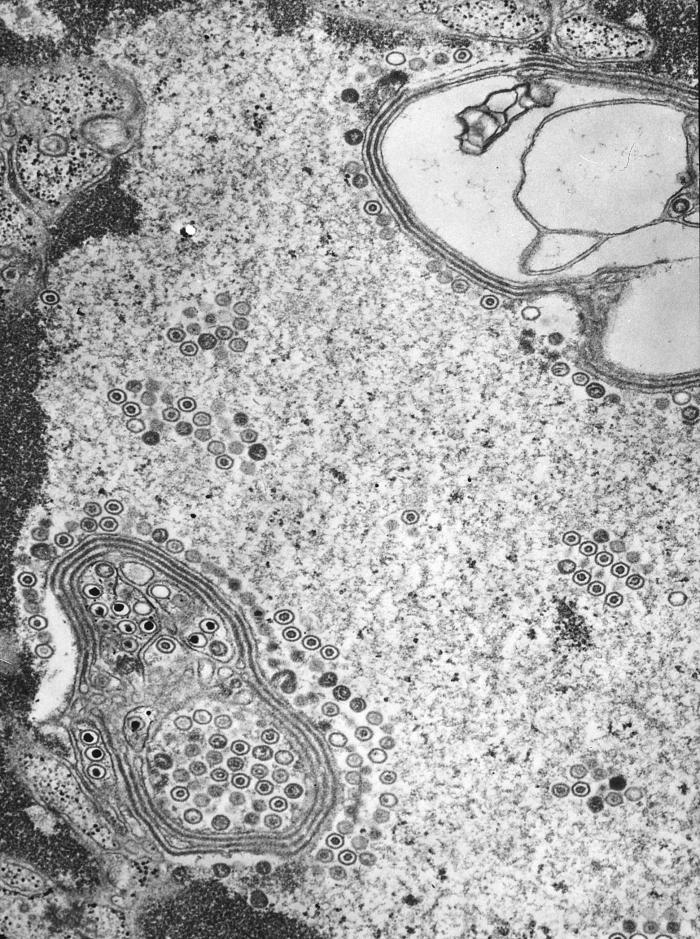
Image: CDC Public Health Image Library, PHIL ID 10261, public domain.
What triggers an outbreak?
Triggers are individual, but the usual suspects are illness, stress, and friction. ASHA lists illness, poor diet, emotional or physical stress, friction in the genital area, prolonged ultraviolet light exposure (mainly for oral herpes), surgical trauma, and steroidal medication as factors that may trigger an outbreak. That list is a starting point, not a prediction: many people learn their own pattern over time, and avoiding a suspected trigger is not a reliable way to prevent outbreaks. ASHA also notes that outbreak frequency can often be managed through effective stress management, adequate rest, nutrition, and exercise — the unglamorous basics, not a single product.
What helps during an outbreak?
Keep it simple: leave sores alone, keep the area clean and dry, and avoid sex until healed. The CDC advises not to touch sores or their fluids, because touching can transfer the virus to another body part such as the eyes, and to wash hands thoroughly if contact happens. Avoid vaginal, anal, or oral sex while symptoms are present. For pain or fever, some people use over-the-counter pain relievers; ask a clinician or pharmacist what is safe for you. Wear loose, comfortable clothing, and see a clinician if sores are severe, slow to heal, or keep coming back.
Curious how the product in this article is sold? View the second TonicGreens offer here
Can you still have sex if you have herpes?
Yes, with honest conversation and precautions — but the risk never drops to zero. The CDC says to talk to your partner about their risk, to use condoms the right way every time, and to know that condoms lower the risk without removing it, because sores can occur where a condom does not cover and the virus can shed from skin with no visible sore. Avoid sex during an outbreak, and know that a partner taking daily anti-herpes medicine lowers the risk further. You cannot get herpes from toilet seats, bedding, swimming pools, or touching objects such as towels — it spreads through direct contact with sores, saliva, genital fluids, or skin in the oral or genital area.
Where do supplements fit — and where do they not?
Nowhere in the treatment plan. No supplement is approved to cure, eliminate, or prevent herpes, and supplements are not FDA-approved the way prescription drugs are. Individual ingredients are widely studied for general antioxidant and immune-related effects, but that is not evidence that a blended powder helps against a viral infection. TonicGreens, for example, is a greens powder whose maker claims it can weaken and eliminate the herpes virus — a claim we examined in our evidence review of TonicGreens and herpes, where we could not find a published clinical trial behind it. The same caution applies to any supplement: if it promises a cure, that promise itself is the warning sign. Do not delay seeing a clinician, and do not stop prescribed treatment, for a supplement.
For a sense of how we judge supplement claims generally, see also our Meraki Blu review, which applies the same evidence-first standard to a different product.
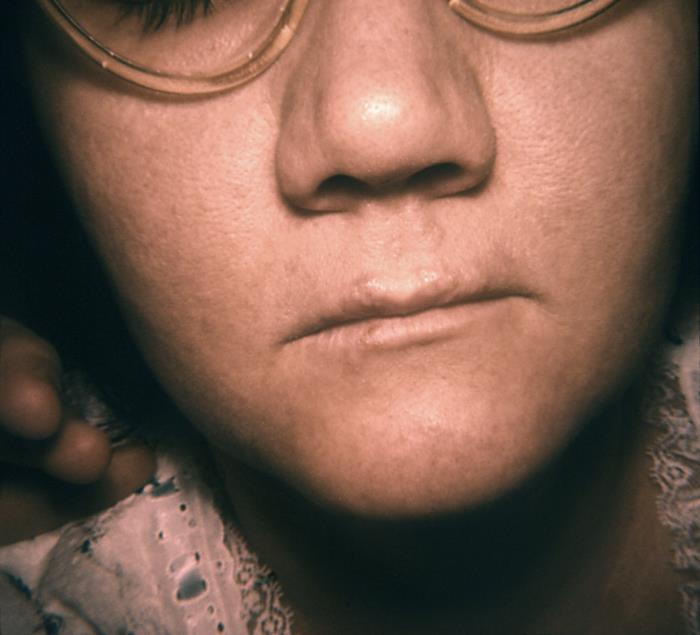
Image: CDC Public Health Image Library, PHIL ID 5406, public domain.
Frequently asked questions
Is there a cure for genital herpes?
No. The CDC states plainly that there is no cure for genital herpes. Medicines can prevent or shorten outbreaks, and daily suppressive therapy can make transmission less likely, but the virus stays in the body.
How many outbreaks will I have?
It varies. ASHA reports an average of four to five outbreaks a year for genital HSV-2 and less than one a year for genital HSV-1, with outbreaks usually most frequent in the first year and milder and less frequent over time.
What should I do when I feel an outbreak starting?
Treat the tingling, itching, or pain of a prodrome as a warning: assume the virus is active, avoid sexual contact until sores have fully healed, do not touch the sores, wash your hands after any contact, and talk to a clinician promptly about antiviral treatment.
Do herpes supplements work?
No supplement is approved to cure, prevent, or eliminate herpes. Ingredients may have general antioxidant or immune-related research behind them, but that is not evidence against a herpes infection. If a product promises a cure, treat the promise as a red flag and talk to a clinician instead.
The bottom line
Living with herpes is mostly about the basics done consistently: know your prodrome, use prescribed antivirals as your clinician advises, avoid sex during outbreaks, and look after sleep, stress, and general health. Supplements can be a daily greens habit if you want one, but they are not a herpes treatment.
If you have symptoms or a new diagnosis, start with a clinician and with CDC guidance, rather than with a sales page.
Read the CDC's information about genital herpes
If you still want to look at the product after reading this, here is the TonicGreens offer again

